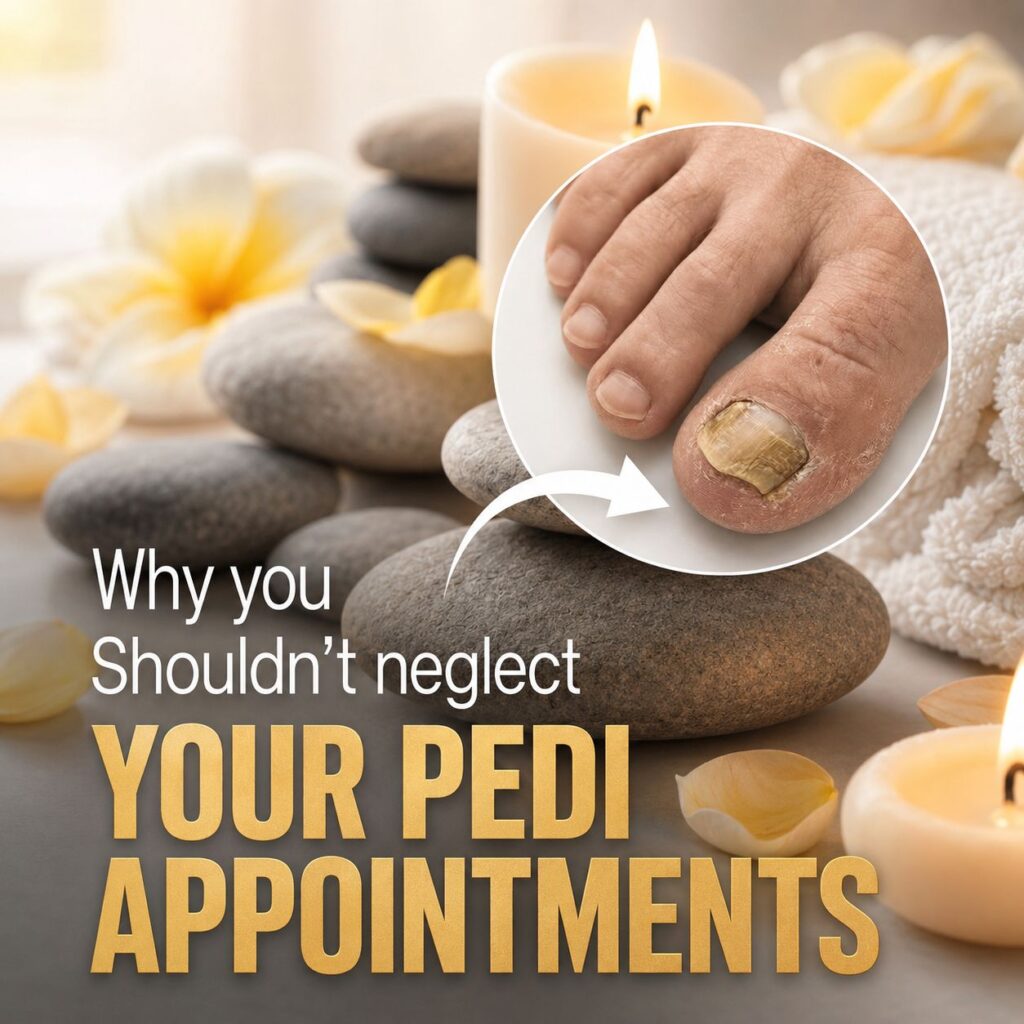
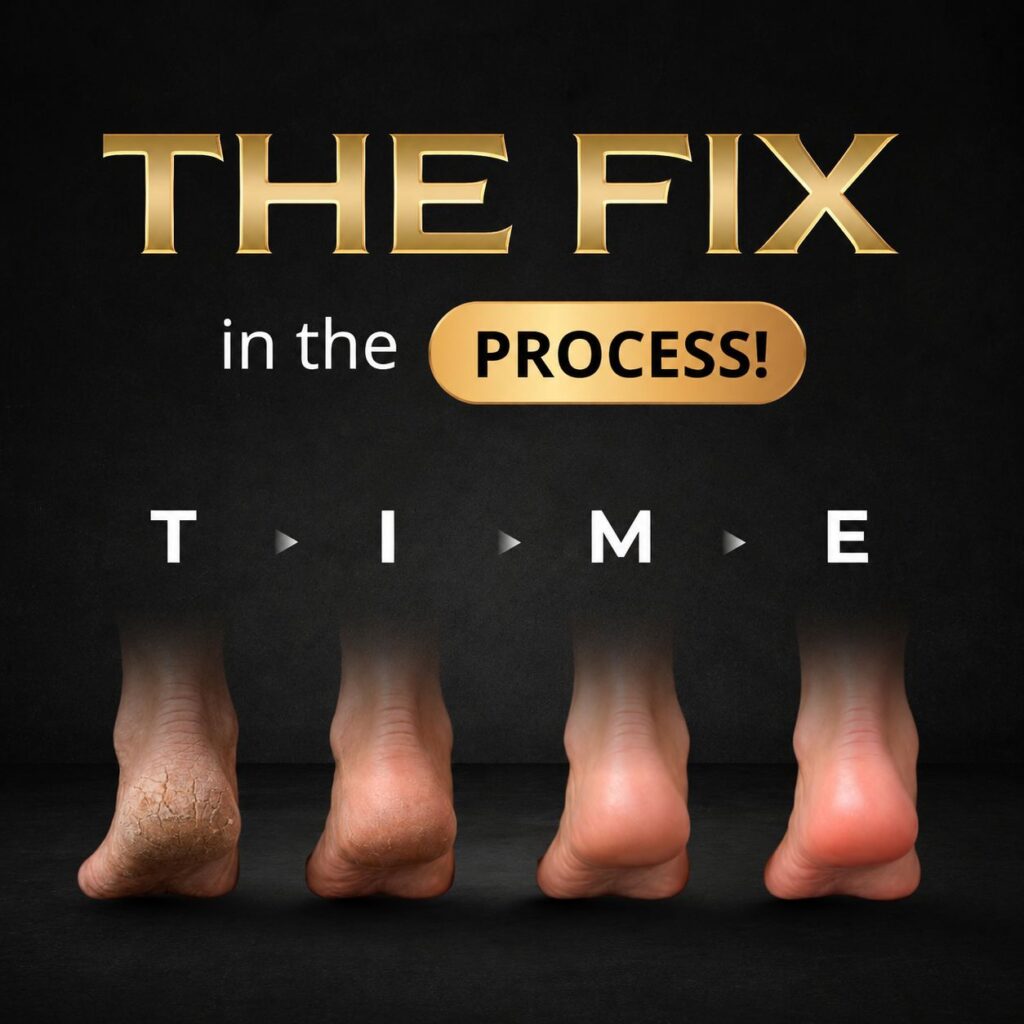
There is no guaranteed salon timetable for healing cracked heels. A smoother appearance after moisturizing is different from a crack closing. The cause and condition of the skin matter more than the number of pedicure appointments.
This guide helps you decide what to ask before planning cosmetic foot care at Citris Nail Spa The Heights. Salon services focus on appearance and relaxation; an appointment should not be used to diagnose a skin problem or promise wound healing.
Why a softer heel does not prove a crack has healed
A pedicure can change the visible finish of intact skin, but appearance alone does not establish that an underlying problem has resolved. Do not use a before-and-after photograph or a smoother surface as a medical assessment.
Avoid purchasing a series of salon visits on the promise that a fissure will heal in a set number of weeks. For severe or persistent cracking, the American Academy of Dermatology recommends consulting a dermatologist. The appropriate next step may be medical evaluation rather than another cosmetic treatment.
When should a salon appointment wait?
Open, bleeding, painful or inflamed skin needs medical advice before salon work on that area. Read our guide to choosing between a salon and a doctor before booking for a heel concern.
People with diabetes, reduced sensation or circulation problems should ask their health care team about appropriate foot care. A comfortable-looking foot does not necessarily mean every treatment is suitable. Tell the salon about any instructions or restrictions from your clinician.
What can you reasonably expect from a pedicure?
For intact skin suitable for a cosmetic service, the goal is grooming, a polished finish and a relaxing visit. Review the Citris pedicure guide to compare menu options. A more elaborate service is not a stronger medical treatment.
Before the appointment, explain whether you want a polish refresh, routine nail grooming or a spa experience. Ask what the selected service includes and discuss anything you would like omitted. The menu describes salon services; it does not provide a diagnosis or a healing schedule.
Which home-care basics are supported by dermatologists?
For ordinary dry heels, AAD guidance emphasizes gentle washing, regular moisturizing and properly fitting shoes. A clinician can advise which products suit your skin, especially when there is cracking or an existing condition.
Do not cut away corns or calluses yourself. NIDDK advises people with diabetes to ask a foot doctor how to manage them and to avoid medicated corn pads or liquid callus removers. Follow individualized advice instead of copying an aggressive exfoliation routine from a social post.
How should you judge the timing?
We cannot estimate healing from a photograph or a service choice. A clinician can evaluate persistent symptoms and explain what progress to expect. If cracking is not improving, do not simply extend a salon schedule for several more months.
Cosmetic maintenance can be planned separately once the skin is suitable. Choose appointments around your grooming preferences and the condition of your nails, and reassess if your feet change. A regular calendar should never override a new concern.
Questions to ask before a future visit
Ask which cosmetic service fits your goal, whether existing polish needs removal, and which steps are included in the quoted price. If you have received medical instructions, ask whether the proposed service can respect them.
It is also reasonable to postpone. The most useful consultation may be a conversation about what the salon can and cannot provide. Keep questions about diagnosis, persistent pain or wound healing with your health care professional.
Planning cosmetic foot care at Citris
When your skin is suitable for a salon service, explore the Citris Menu and ask the team about your preferred appointment. Citris Nail Spa The Heights is at 174 Yale St, Ste 1100, Houston, TX 77007.
For help with a suitable future visit, check hours and directions or compare pedicure service options.
📞 Call to book: (832) 333-6565
Health information references: American Academy of Dermatology: dry, cracked heels and NIDDK: diabetes and foot problems. This is general salon guidance, not an individual diagnosis.
Editorial update: September 28, 2026. Revised to distinguish cosmetic grooming from medical care.